FTC disclaimer: This post contains affiliate links and I will be compensated if you make a purchase after clicking on my link.
The internet is key to our modern world. Internet Protocol is its core. With more devices online, we need a strong addressing system.
IPv4 is being replaced by Internet Protocol Version 6 (IPv6). IPv6 gives us almost endless unique addresses. Knowing IPv6 basics is vital for tech enthusiasts.
Learning IPv6 basics helps you understand networking better. It makes you more confident in this complex field.
Key Takeaways
- Understanding IPv6 is crucial for navigating modern networking.
- IPv6 offers a significantly larger address space compared to IPv4.
- The transition to IPv6 is driven by the growing need for unique IP addresses.
- IPv6 is designed to be more secure and efficient.
- Knowledge of IPv6 is essential for IT professionals.
The Evolution of Internet Protocol and IPv6 Necessity
The digital world is growing fast. It’s key to know how internet protocols have changed. You’re about to learn about the history of internet protocols, why IPv6 was needed, and what it offers.
The History of Internet Protocol Development
The Internet Protocol has seen big changes over time. IPv4, or Internet Protocol version 4, was the fourth update. It has been used since the early days of the internet.
Its 32-bit address scheme allowed for about 4.3 billion unique addresses. But, the internet has grown fast. This has made the limited address space a big problem.
IPv4 Address Exhaustion Crisis
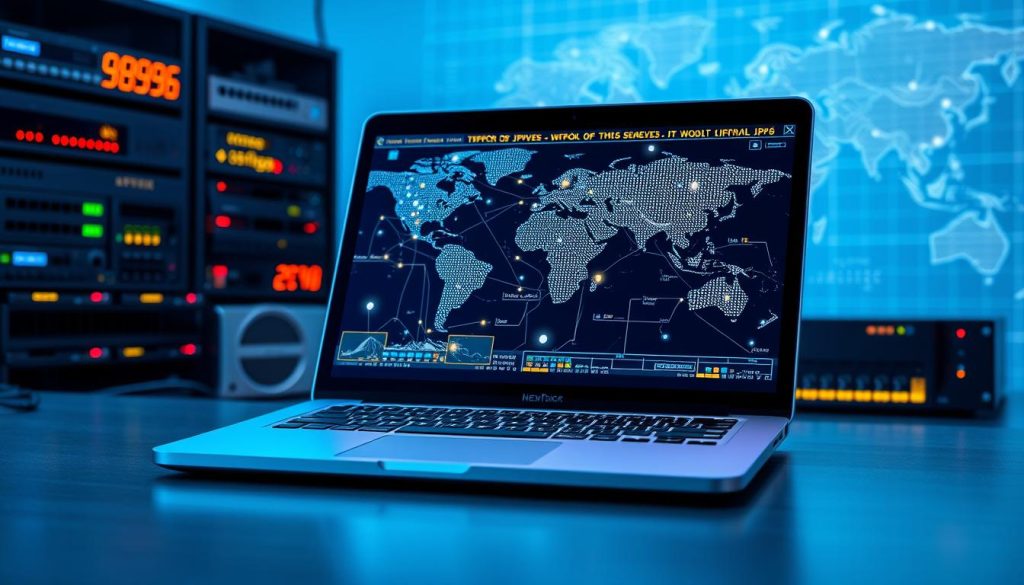
The crisis of IPv4 address exhaustion is real. More devices like smartphones and IoT gadgets need IP addresses. This has emptied the IPv4 address pool, threatening the internet’s growth.
The Birth of IPv6 as a Solution
IPv6 was made to fix IPv4’s problems. It has a 128-bit address scheme, offering a huge address space. This means the internet can keep growing and supporting new devices and tech.
The switch to IPv6 is key for the internet’s future. It’s needed to keep the internet running smoothly and support new ideas.
| Protocol Version | Address Space | Key Features |
|---|---|---|
| IPv4 | 32-bit, approximately 4.3 billion addresses | Limited address space, complex configuration |
| IPv6 | 128-bit, virtually unlimited addresses | Vast address space, simplified configuration, enhanced security |
Core Features and Advantages of IPv6
IPv6 is a big step up in internet tech. It brings many improvements over the old version. You’ll see how IPv6 can make the internet better.
Expanded Address Space
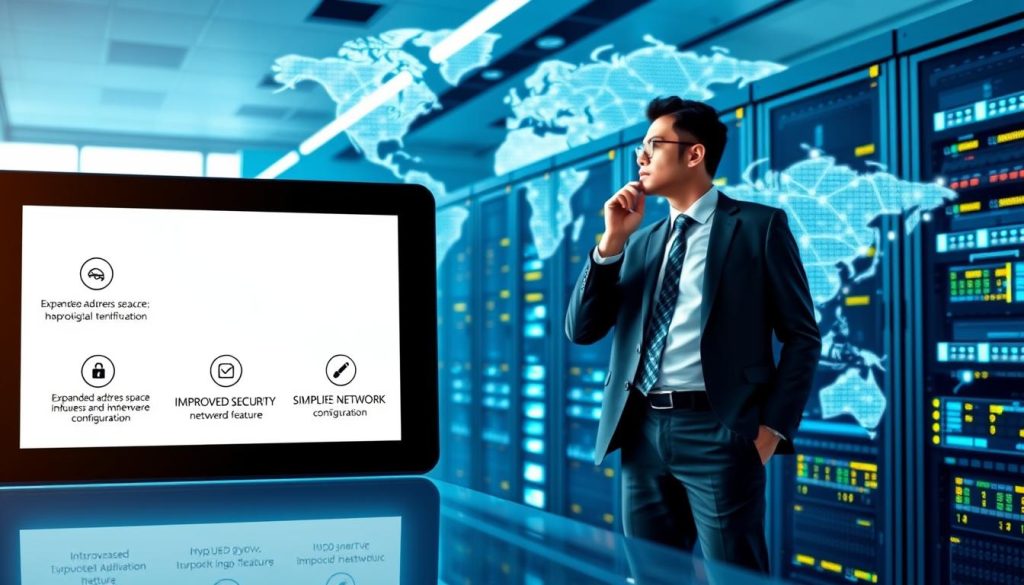
IPv6 has a huge expanded address space. It gives almost endless IP addresses. This is key for all the devices now online.
Streamlined Header Structure
IPv6 has a streamlined header structure. This makes networks work better and faster. It’s all about quicker data transfer.
Auto-Configuration Capabilities
IPv6 has auto-configuration capabilities. It makes setting up networks easier. This cuts down on mistakes in setting up IP addresses.
| Feature | IPv6 | IPv4 |
|---|---|---|
| Address Space | 128-bit | 32-bit |
| Header Structure | Simplified | Complex |
| Auto-Configuration | Supported | Limited |
Knowing these key features helps you see why IPv6 is good. It shows how it can make your internet better.
IPv6 vs IPv4: Understanding the Fundamental Differences
What makes IPv6 different from IPv4? It’s all about their design and what they can do. IPv6 is the next step after IPv4. It fixes some big issues like not having enough addresses and needing better security.
Address Format and Notation Comparison
IPv6 and IPv4 have different ways of showing addresses. IPv4 uses 32 bits and looks like 192.0.2.1. IPv6 uses 128 bits and looks like 2001:0db8:85a3:0000:0000:8a2e:0370:7334.
IPv6 is easier to write because of rules like not using leading zeros. It also uses a double colon (::) to shorten long zeros. This makes it simpler to read and write.

Header Structure and Efficiency Improvements
IPv6’s header is simpler than IPv4’s. This makes packets move faster. It also means routers don’t have to break up packets as much. This makes networks work better.
- Simplified header format for faster processing
- Improved support for extensions and options
- Enhanced security features, such as mandatory implementation of IPsec
Network Performance and Routing Enhancements
IPv6 makes networks work better and routes more efficiently. It has a huge address space. This means networks can be set up more easily and work better.
When you think about ipv6 migration, knowing these differences is key. IPv6 has better security, like stronger IPsec support. It also has a better address format and header structure. These all help make networks faster and more reliable.
Mastering the IPv6 Address Format
To work well with IPv6, you must know its address format. IPv6 addresses are shown as eight groups of four hexadecimal digits. For example, de70:0000:0000:0000:98ba:8899:0134:ceff.
But, IPv6 makes these addresses easier to handle. It lets you simplify them. You can skip leading zeros in each group. And, you can use a double colon (::) for long stretches of zeros.
Learning how to simplify IPv6 addresses helps a lot. It makes your network setup and fixing problems easier. This skill is key for keeping your network safe and running smoothly.