FTC disclaimer: This post contains affiliate links and I will be compensated if you make a purchase after clicking on my link.
Did you know digital grocery sales grew by nearly 15% last year? This big change means people spend more time looking for food online. The market for snacks and meals is always changing fast.
Starting an online food business is a great chance for many. Small businesses in this field have many ways to grow and sell more. The digital world lets them reach people all over the country.
This guide will teach you how to sell food online. We’ll cover rules and marketing. Knowing how to use the web is key for growing in today’s economy. It’s important to understand the market to stay ahead.
To build a strong brand, you need great taste and a plan to attract customers. These steps help your products shine in a busy online world. Success comes from using quality ingredients and smart delivery.
Key Takeaways
- Analyze modern digital marketplace trends to boost your sales.
- Understand essential safety and legal regulations for kitchens.
- Select the best platform to showcase your gourmet goods.
- Create a strong marketing strategy to attract loyal buyers.
- Focus on quality packaging and reliable regional shipping methods.
Understanding the Online Food Market
To succeed in the online food market, you need to know what customers want. The world of online food is full of choices. Many things affect what people choose to buy.
Trends in Online Food Sales
The online food market is growing fast. People are busier and want things that are easy to get. Some big trends are:
- More people want meal kits and ready-to-eat meals.
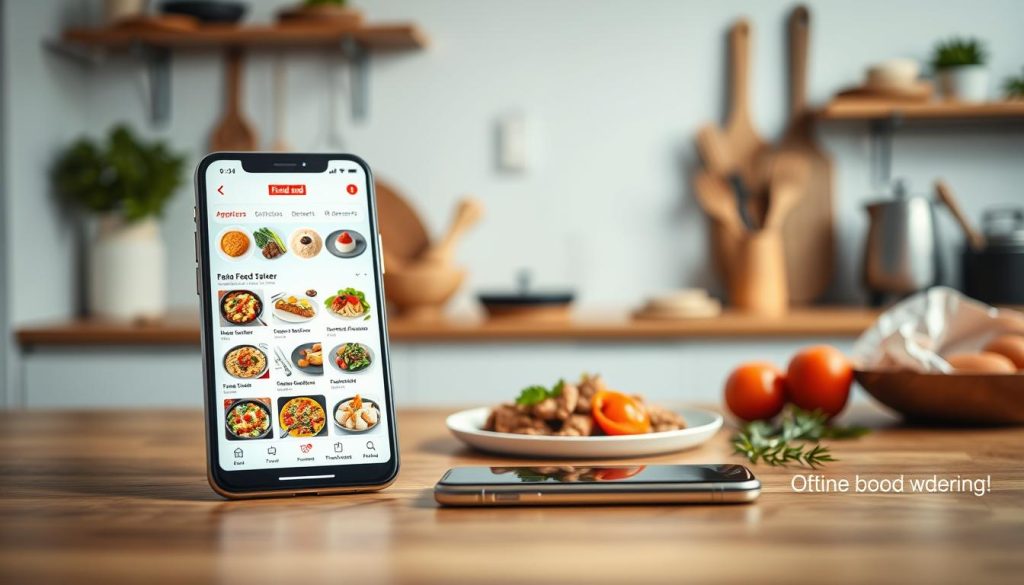
- Food delivery apps and online ordering systems are getting popular.
- Social media is playing a big role in food marketing.
Consumer Preferences and Behavior
To do well in food e-commerce, you must understand what customers like. They want things that are easy, good quality, and varied. Some key likes are:
- They like easy online ordering and payment.
- They want fast and reliable delivery.
- They look for high-quality food with clear labels.
Legal Considerations
When selling food online, you must follow the law. This means:
- You need the right permits and licenses.
- You must follow food safety rules and regulations.
- You have to meet labeling rules for food products.
By knowing these things about the online food market, you can make good plans for your food business. This way, you can stay ahead of your rivals.
Setting Up Your Food Business
Starting a successful online food business needs a strong start. You must take several key steps to guide your journey.
Choosing Your Niche
Success often comes from specialization. Pick a specific area to focus on. This could be gluten-free treats, Mexican meal kits, or healthy lunches.
This focus helps you attract a certain group of customers. It boosts your chances of doing well in the online food market.
Developing Your Brand Identity
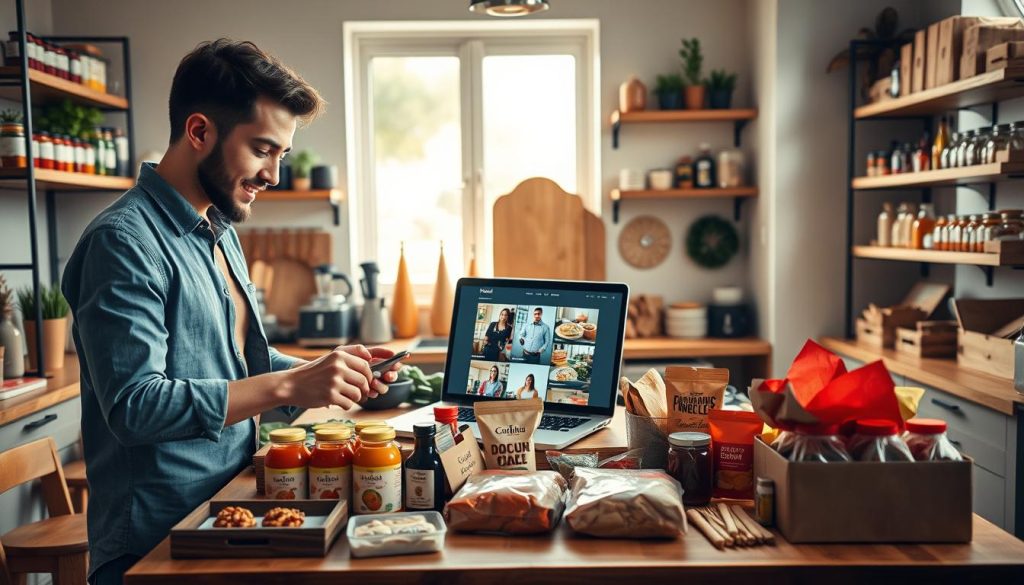
Your brand’s identity is key to standing out. It’s about your values, mission, and how you look.
To build a strong brand, think about these things:
- Logo and branding
- Website design
- Packaging
- Customer service
Creating a Business Plan
A detailed business plan is vital. It guides your decisions and aims for long-term success. It should cover:
| Component | Description |
|---|---|
| Market Analysis | Understanding your target audience and market trends |
| Marketing Strategy | Outlining how you will reach and engage your target audience |
| Financial Projections | Estimating revenue, expenses, and profitability |
With careful planning, you can build a solid base for your online food business. This sets you up for success in the competitive food sales online world.
Complying with Food Regulations
Understanding food regulations is key for any online food business. Each country and state has its own rules. These rules help keep consumers safe.
To follow these rules, you must know about food safety standards, labeling requirements, and getting permits and licenses. Knowing local and federal laws is important. It helps you avoid legal problems and run smoothly.
Food Safety Standards
Food safety standards are vital to stop foodborne illnesses. You must follow rules on handling, storing, and preparing food. This means keeping clean, controlling temperatures, and training food handlers.
Having a strong food safety plan keeps customers safe and boosts your reputation. Regular checks help you stay compliant and avoid legal issues.
Labeling Requirements
Labeling is also key to following food laws. Accurate labels tell customers about ingredients, nutrition, and allergens. This is not just a law, but it also builds trust.
Make sure your labels meet local and national rules. This includes listing ingredients, nutrition facts, and health warnings. Clear and compliant labeling is vital for your online food site’s success.
Permits and Licenses
Getting the right permits and licenses is crucial for your online food business. These documents show your business meets health and safety standards. The types of permits needed vary by location and business type.
Find out what you need for your area. Having the right documents avoids legal trouble. It also builds trust with customers and partners in digital marketing for food businesses.
Choosing the Right Platform
Choosing the right online platform is key for a successful food e-commerce business. There are many options, so pick one that fits your business needs and goals.
You can sell food online in many ways. You can make your own website, use online ordering systems, or sell on social media. Each method has its own pros and cons.
Comparison of Popular E-commerce Platforms
When looking at e-commerce platforms, think about fees, payment gateway integration, and ease of use. Shopify, WooCommerce, and BigCommerce are popular for food e-commerce.
| Platform | Transaction Fees | Payment Gateway Integration | Ease of Use |
|---|---|---|---|
| Shopify | 2.4% + $0.30 per transaction | Supports multiple gateways | High |
| WooCommerce | No transaction fees | Highly customizable | Medium |
| BigCommerce | 2.5% + $0.30 per transaction | Supports multiple gateways | High |
Setting Up Your Online Store
After picking a platform, setting up your store is next. First, register a domain name and get web hosting. Then, design your store, add products, and set up payment and shipping.
Key considerations when setting up your online store include:
- Ensuring a user-friendly interface
- Optimizing product pages for search engines
- Implementing secure payment processing
Utilizing Social Media for Sales
Social media like Instagram, Facebook, and Twitter are great for selling food online. You can show off your products, talk to customers, and bring people to your store.
To sell well on social media, make sure your content is high-quality and shows off your products well. Use hashtags to get seen more, and think about running ads to reach more people.
Building an Appealing Menu
An appealing menu does more than list dishes. It creates an experience for your customers. When starting an online food store, your menu is key. It shows what you offer and sets your brand’s tone.
It’s important to find the right mix of creativity, pricing, and uniqueness. This makes your dishes stand out.
Creatively Crafting Your Offerings
To make a great menu, know what your customers like and need. Offer a variety of dishes, like vegan or gluten-free options. Use seasonal ingredients to keep things fresh.
Innovative descriptions of your dishes can make them more appealing. Tell a story about each dish. Share its inspiration or the effort you put into making it.
Pricing Strategies
Pricing is key to your menu’s success. You need to find the right balance between cost and customer value. Think about the ingredients, preparation time, and packaging costs.
Compare your prices with others to see how you stack up. Offering promotions or bundles can also draw in more customers.
Highlighting Unique Selling Points
What makes your online food business special? Show off your unique selling points (USPs) to attract and keep customers. It could be a secret recipe, eco-friendly packaging, or top-notch service.
Use high-quality images of your dishes to showcase them well. Remember, first impressions matter, but the dish itself is crucial too.
Photographing Your Food Products
To stand out online, your food photos must be perfect. High-quality images and descriptions are key. They show off your dishes and draw in customers.
Tips for High-Quality Food Photography
Great food photos make dishes look good and tasty. Start with natural light. A good camera or smartphone camera is a must. Think about your dish’s style, using props that match without taking over.
Key tips include:
- Using a clean and simple background
- Experimenting with different angles and compositions
- Editing your photos to enhance colors and clarity
Importance of Visual Appeal
Your food’s look is key to attracting and keeping customers. Good images build trust and make your products more appealing. In digital marketing for food businesses, great photos can sway a customer’s choice.
Using Photos for Marketing
Use your top-notch photos in your marketing. This includes your website, social media, and ads. Consistent, attractive visuals boost your brand and marketing.
For food e-commerce sites, photos can show customer experiences and kitchen moments. They highlight your ingredients’ quality. This builds a story around your brand, making it relatable and attractive.
By focusing on selling food online with great visuals, you boost your online presence and sales.
Marketing Your Online Food Business
Starting your online food business means you need to market well. There are many ways to promote your brand. It’s important to pick the best ones for you.
Marketing is about more than one thing. It’s about ads, talking to customers, and working with others. Knowing who you’re talking to helps make your brand more visible and appealing.
Leveraging Social Media Advertising
Social media is a great way to find new customers. Targeted ads on sites like Facebook and Instagram help you reach the right people. This means your ads are seen by those who might actually want what you’re offering.
To get the most out of social media ads, make sure your content is interesting. Use great pictures of your food, what customers say about you, and special deals.
Email Marketing Strategies
Email marketing is still very good for keeping in touch with customers and selling more. Build an email list and send out newsletters regularly. This way, you can tell your customers about new things, deals, and events.
- Sort your email list to send different messages to different people.
- Make your email titles and content interesting to get more opens and replies.
- Put clear calls-to-action in your emails to get people to visit your online store.
Collaborating with Food Influencers
Working with food influencers can really help your brand. Influencers have built trust with their followers. Their support can make people more interested in your brand and products.
Choose influencers who fit your brand and audience well. Look at their engagement and how good their content is. A good partnership can make your brand more known, improve how people see your brand, and increase sales.
Managing Orders and Customer Service
To keep customers coming back, focus on managing orders well and offering great service. This means using smart strategies to grow your online food business. It’s key for lasting success.
Streamlining Your Order Fulfillment
A good online food ordering system is crucial for a food delivery website. To make your order process better:
- Use a strong ordering system that can handle lots of orders.
- Keep your customers updated on their orders.
- Work on making your kitchen more efficient to get orders out fast.
This will make customers happier, leading to more business and good reviews.
Building Strong Customer Relationships
It’s important to connect with your customers when selling food online. Here’s how:
- Be quick and friendly with your customer service.
- Talk to customers on social media and through emails.
- Give them special deals and loyalty programs.
These steps help you build a loyal customer group that will support you for a long time.
Handling Feedback and Reviews
Customer feedback is very important for any food business online. To deal with feedback and reviews well:
- Answer both good and bad reviews quickly.
- Use feedback to find ways to get better.
- Make changes based on what customers say to show you care.
By listening to customer feedback, you can make your service better. This will make customers happier and help your food delivery website reputation grow.
Analyzing and Optimizing Your Business
To keep your online food store successful, always analyze and improve your strategies. This helps you stay ahead in the changing food e-commerce world.
Tracking Performance Metrics
It’s key to watch your business’s important numbers. Look at sales growth, how much it costs to get new customers, and website visits. These show if your food business marketing is working well.
Refining Your Approach
Change your marketing based on what your data shows. You might need to update your social media or find new ways to reach people. This is important when starting an online food store.
Planning for Future Growth
As your business grows, plan for more. You might add new products, enter new markets, or make your operations more efficient. By listening to customers and growing, you can make your food business a big success.